When it comes to managing blood sugar, few people realize how powerful vegetables can be. Certain plant foods act almost like natural medicines—helping the body balance glucose levels, improve insulin sensitivity, and protect blood vessels and nerves from diabetic damage.
If you’re looking for foods that naturally help reduce excess sugar in the body, here are ten science-backed vegetables (plus one special bonus food) that support stable blood sugar and long-term health.
1. Broccoli — The Sugar-Burning Superfood
Why it helps:
Broccoli contains a compound called sulforaphane, known for its anti-diabetic and anti-inflammatory effects. It not only lowers blood sugar but also protects blood vessels from oxidative damage—one of the major complications of diabetes.
How to use:
Steam or lightly sauté broccoli to preserve nutrients. Eat it three to four times a week as a side dish or add it to soups, omelets, or salads. For extra antioxidant power, drizzle with olive oil and lemon juice.
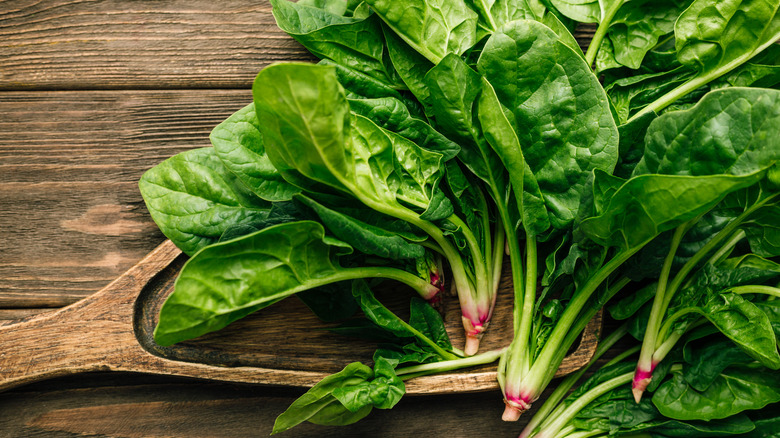
2. Spinach — A Magnesium-Rich Glucose Balancer
Why it helps:
Spinach is rich in magnesium and fiber, nutrients that work together to improve insulin sensitivity and slow glucose absorption. Magnesium helps muscles and nerves use glucose efficiently, preventing spikes after meals.
How to use:
Enjoy raw in salads, blended into smoothies, or lightly sautéed with garlic and olive oil. Avoid prolonged boiling, which can destroy vitamins and minerals.
3. Bitter Melon (Bitter Gourd) — The Natural Insulin Booster
Why it helps:
Bitter melon contains charantin and polypeptide-p, compounds that mimic insulin’s activity and help lower blood glucose naturally. Studies show it can significantly reduce fasting blood sugar in people with type 2 diabetes.
How to use:
Drink bitter melon juice in the morning on an empty stomach for the strongest effect, or cook it in stir-fries or stuffed dishes two to three times per week.
4. Carrots — Sweet but Blood-Sugar Friendly
Why it helps:
Carrots are high in beta-carotene, a powerful antioxidant that helps repair cell damage from high sugar levels. Their fiber content slows digestion and supports stable glucose levels.
How to use:
Eat raw carrot sticks as snacks or add to soups and stews. Lightly steam or boil instead of glazing with sugar. Pair with healthy fats like avocado or olive oil to enhance nutrient absorption.