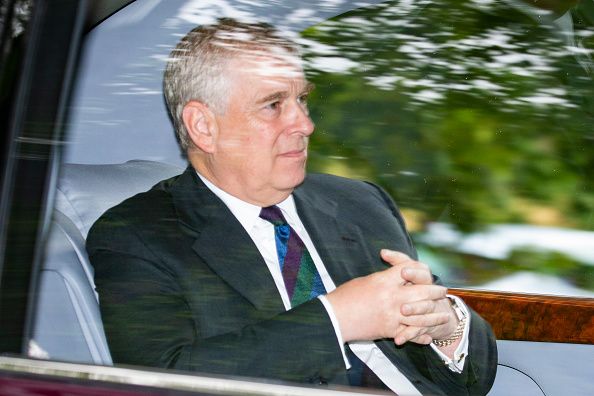
The former Duke of York was taken into custody on 19 February, a date that also marked his 66th birthday. Thames Valley Police confirmed the arrest followed a review of allegations connected to his previous role as the UK’s trade envoy.

In a statement, the force said:

“As part of the investigation, we have today arrested a man in his sixties from Norfolk on suspicion of misconduct in public office and are carrying out searches at addresses in Berkshire and Norfolk. The man remains in police custody at this time.

“We will not be naming the arrested man, as per national guidance. Please also remember that this case is now active, so care should be taken with any publication to avoid being in contempt of court.”

According to the Crown Prosecution Service, misconduct in public office carries a maximum sentence of life imprisonment.

Image

Image

Image

Image

Assistant Chief Constable Oliver Wright confirmed that a formal investigation had been opened.

“Following a thorough assessment, we have now opened an investigation into this allegation of misconduct in public office.

“It is important that we protect the integrity and objectivity of our investigation as we work with our partners to investigate this alleged offence. We understand the significant public interest in this case, and we will provide updates at the appropriate time.”

The King’s response

Following news of the arrest, King Charles issued a public statement expressing concern while emphasising due process.

“I have learned with the deepest concern the news about Andrew Mountbatten Windsor and suspicion of misconduct in public office.

“What now follows is the full, fair and proper process by which this issue is investigated in the appropriate manner and by the appropriate authorities.”

He added:

“Let me state clearly. The law must take its course. As this process continues, it would not be right for me to comment further on this matter.”

Image

Image

Image

Image

Can members of the Royal Family be arrested

The case has revived a long standing question. Which royals are actually protected by law, and which are not.

Under UK constitutional principles, the reigning monarch benefits from sovereign immunity. This means the King or Queen cannot be arrested or prosecuted in a criminal court.